
Why Receding Gums Should Not Be Ignored
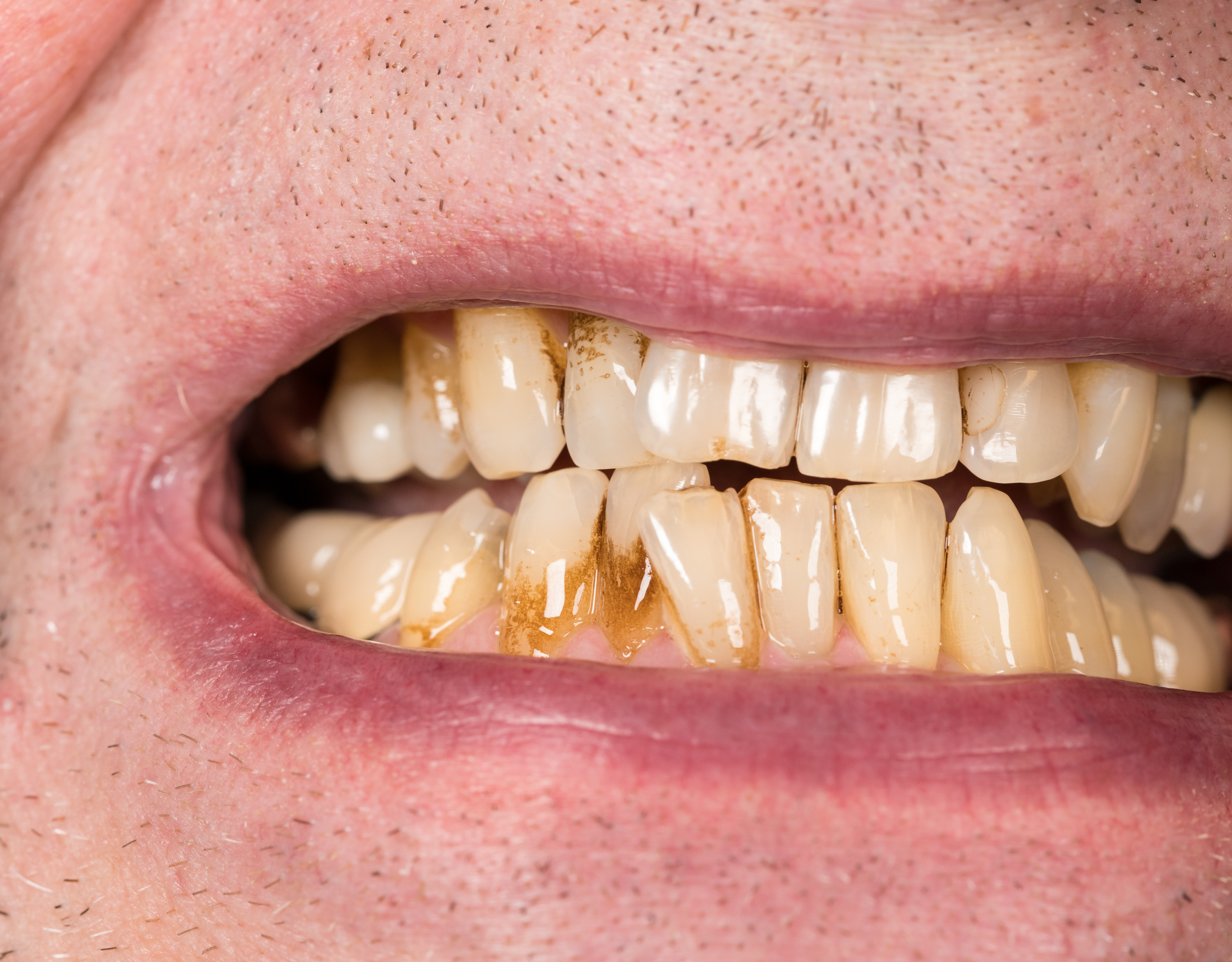
Receding gums can start subtly. You may notice your teeth look a little longer, feel more sensitivity near the gumline, or see spaces developing between the teeth and gums. While it may seem like a minor cosmetic concern at first, gum recession can affect your oral health if it is not addressed early.
At Murrieta Dental Group in Murrieta, we help patients understand what causes receding gums, how to protect their smiles, and when treatment may be needed. The sooner gum recession is evaluated, the easier it may be to prevent the problem from getting worse.
What Are Receding Gums?
Receding gums happen when the gum tissue pulls away from the teeth, exposing more of the tooth surface or the tooth root. Because the roots are not protected by enamel in the same way the visible crowns of your teeth are, exposed roots can be more sensitive and more vulnerable to decay.
Gum recession can affect one tooth or several teeth. Some patients in Murrieta notice changes near the front teeth, while others may not realize they have gum recession until their dental exam.
Why Receding Gums Matter
Healthy gums help protect the teeth, roots, and supporting bone. When gum tissue recedes, small pockets or exposed areas can develop along the gumline. These areas may collect plaque and bacteria, making it harder to keep the teeth clean.
If receding gums are not treated, the condition may contribute to tooth sensitivity, root cavities, gum disease progression, and changes in the appearance of your smile. In more advanced cases, untreated gum problems may affect the stability of the teeth.
Common Signs Of Gum Recession
Gum recession does not always cause pain right away. That is why routine dental visits are important, especially if you are prone to gum disease or sensitivity. Signs to watch for include:
- Teeth that appear longer than before
- Sensitivity to hot, cold, or sweet foods
- Gumline notches or exposed roots
- Bleeding gums when brushing or flossing
- Red, swollen, or tender gums
- Persistent bad breath
- Loose teeth or shifting teeth
- Changes in how your smile looks
If you notice any of these symptoms, scheduling a dental exam can help identify whether receding gums, gum disease, or another oral health concern is involved.
What Causes Receding Gums?
Receding gums can happen for several reasons. Gum disease is one of the most common causes because infection and inflammation can damage the tissue and bone that support the teeth. Brushing too aggressively can also wear down the gumline over time, especially when using a hard-bristled toothbrush.
Other contributing factors may include teeth grinding, tobacco use, genetics, crooked teeth, poor oral hygiene, hormonal changes, or oral piercings that irritate the gums. Patients in Murrieta may also develop gum recession from a combination of factors, which is why a personalized evaluation matters.
Can Receding Gums Grow Back?
Gum tissue generally does not grow back on its own once it has receded. However, treatment can help stop the recession from progressing and protect the exposed areas. The right approach depends on the cause and severity of the problem.
If gum disease is involved, treatment may include a deep cleaning, improved home care, or periodontal maintenance. If brushing technique is contributing to recession, your dental team may recommend a softer toothbrush and gentler brushing habits. More advanced cases may require evaluation for gum grafting or other periodontal treatment.
How To Help Protect Your Gums
The best way to manage receding gums is to catch changes early. Regular dental exams and cleanings allow your dentist to monitor your gum health and identify signs of recession before they become more serious.
At home, brush gently with a soft-bristled toothbrush, floss daily, avoid tobacco, and ask your dentist about a nightguard if you grind your teeth. If your gums bleed, feel tender, or seem to be pulling away from your teeth, do not wait for the problem to become painful.
To schedule a gum health evaluation in Murrieta, contact Murrieta Dental Group at 40760 California Oaks Rd, Murrieta, CA 92562, or call 951-677-3078.

All Dental Services
We offer a wide variety of dental services to the Rancho Murieta community. Contact us with any questions about our services.

Keep In Touch
For non-urgent questions or to learn more about our services, contact us today!
Our Services
Contact Info
Hours of Operation
- Monday 8:00am - 3:00pm
- Tuesday 8:00am - 5:00pm
- Wednesday 8:00am - 3:00pm
- Thursday 8:00am - 3:00pm
- Friday Closed
- Saturday Closed
- Sunday Closed
- Monday
- Tuesday
- Wednesday
- Thursday
- Friday
- Saturday
- Sunday
- Monday
- Tuesday
- Wednesday
- Thursday
- Friday
- Saturday
- Sunday
© 2026 Murieta Dental. All rights Reserved - Accessibility Statement - Privacy Policy - Sitemap
Managed and Designed by 